
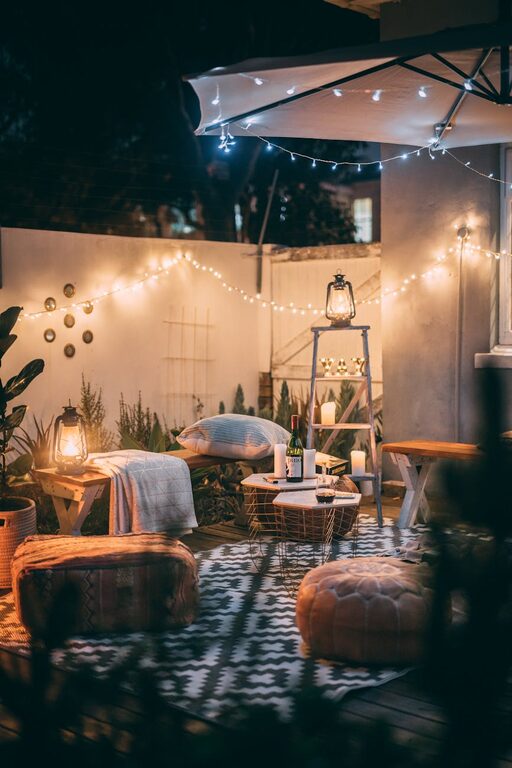
Creating the perfect atmosphere in your home often starts with one key element: lighting. Comfortable home lighting not only brightens your space but also sets the mood, highlights your decor, and supports your daily activities. Whether you are renovating, redecorating, or just upgrading your lighting fixtures, choosing the right lights can transform the feel of any room.
In this post, we’ll explore helpful tips for selecting comfortable, effective lighting for your home.
Understanding the Basics: Types of Lighting
Before diving into tips, it’s useful to understand the three primary types of lighting that work together to create a balanced space:
1. Ambient Lighting
This is the general, overall light in a room. It provides uniform illumination so you can navigate safely and comfortably. Examples include ceiling-mounted fixtures, chandeliers, and recessed lighting.
2. Task Lighting
Task lighting focuses on specific areas where activities such as reading, cooking, or working take place. Desk lamps, under-cabinet kitchen lights, and vanity lights are common task lighting.
3. Accent Lighting
Accent lighting adds drama or highlights specific features such as artwork, plants, or architectural elements. Spotlights, wall sconces, and track lighting serve this purpose.
A well-lit room usually combines these three layers of lighting for comfort and visual interest.
Tips for Choosing Comfortable Home Lighting
1. Consider the Purpose of Each Room
Different rooms have different lighting needs based on their functions. For example:
– Living Room: Use warm ambient lighting combined with soft task lighting for reading corners.
– Kitchen: Bright task lighting is essential for cooking, supplemented by ambient lighting.
– Bedroom: Soft, dimmable lighting encourages relaxation and helps create a cozy retreat.
– Bathroom: Clear, bright lighting near mirrors aids grooming, but balanced ambient lighting improves the overall feel.
Understanding your daily activities in each space will guide your lighting choices.
2. Pay Attention to Color Temperature
Color temperature, measured in Kelvins (K), influences how warm or cool the light feels.
– Warm light (2700K–3000K) creates a cozy, inviting atmosphere and is ideal for living rooms, bedrooms, and dining areas.
– Neutral white light (3500K–4100K) works well in kitchens, bathrooms, and utility rooms.
– Cool white light (5000K and above) is closer to daylight and often used in workspaces or garages.
Choosing the right color temperature impacts both comfort and functionality.
3. Use Dimmable Lighting for Flexibility
Installing dimmers allows you to adjust the brightness to suit the time of day and activity. Bright lights may be necessary for work or chores, but softer lights help you unwind in the evening.
Dimmable bulbs and fixtures provide greater control over ambiance.
4. Select Fixtures That Complement Your Style
Lighting fixtures also serve as decor elements. From sleek modern to rustic vintage, choose designs that match your home’s style. Fixtures with adjustable angles or multiple bulbs offer versatility.
Avoid overly harsh or glaring designs for a more comfortable light experience.
5. Choose LED Bulbs for Energy Efficiency and Longevity
LED bulbs use less energy and last much longer than incandescent or halogen bulbs. They also produce less heat and come in many styles and color temperatures.
Using LEDs not only saves on electricity bills but also provides more consistent, flicker-free lighting.
6. Mind the Placement of Lights
The position of light fixtures affects how evenly and comfortably a room is lit.
– Place task lighting directly over or beside work areas to reduce shadows.
– Avoid direct glare by angling lights away from seating or sleeping areas.
– Use multiple sources of light, spaced out, to minimize harsh contrasts between bright and dark zones.
7. Add Soft Textiles and Surfaces to Enhance Lighting Comfort
The way light interacts with walls, furniture, and floors shapes the room’s feel. Soft curtains, rugs, and cushions can diffuse light and absorb glare, creating a warmer atmosphere.
Light-colored walls reflect more light and help brighten a space, while darker tones offer a more intimate ambiance.
8. Test Different Bulbs and Fixtures Before Committing
If possible, try out bulbs with different brightness levels and color temperatures in your rooms. Many hardware stores or online retailers offer sample bulbs.
Temporary lighting setups can help you decide if a combination feels comfortable before installing permanent fixtures.
9. Don't Forget Outdoor Lighting
Comfortable home lighting isn’t just indoors. Consider soft pathway lights, porch fixtures, or garden spotlights to create a welcoming exterior environment that also enhances safety.
Outdoor lighting should be subtle and focused to avoid disturbing neighbors or hurting night vision.
Conclusion
Choosing comfortable home lighting involves balancing aesthetics, function, and mood. By considering the purpose of each room, color temperature, fixture style, and placement, you can create inviting spaces that cater to your lifestyle. Incorporate dimmable LEDs, layer your lighting, and don’t be afraid to experiment until you find what feels right.
With the right lighting in place, your home will not only look better but also feel warmer, more welcoming, and perfectly suited to your needs. Happy lighting!