
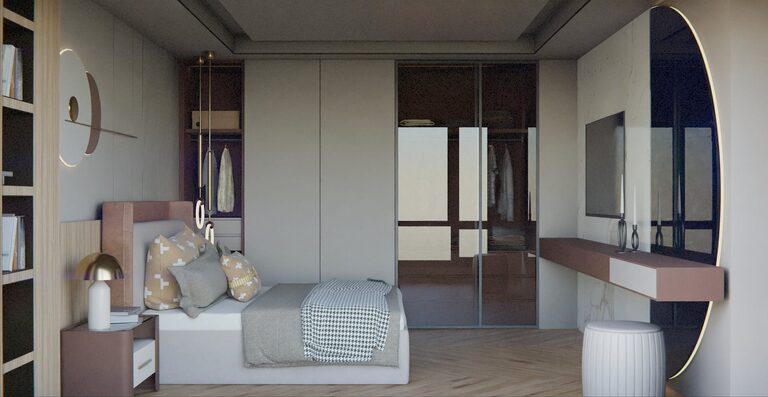
Creating a comfortable and inviting atmosphere in your home starts with the right lighting. Good lighting enhances the beauty of your space, supports your daily activities, and affects your mood. However, choosing comfortable home lighting can sometimes feel overwhelming, given the variety of options available. This guide offers helpful tips to select lighting that fits your needs and transforms your home into a cozy haven.
Understanding the Importance of Comfortable Lighting
Lighting does more than just brighten a room. It influences how you feel, work, and relax. Harsh or insufficient lighting can cause eye strain, headaches, and affect your overall well-being. Comfortable lighting is balanced, adjustable, and complements the design of your home.
Consider the Purpose of Each Room
Every room in your house serves a different function, which means lighting needs will vary.
Living Room
The living room is where family members gather and guests entertain. Layered lighting works well here—combining ambient, task, and accent lights to create a flexible environment. Use dimmable ceiling lights or chandeliers for general illumination. Incorporate floor lamps or table lamps near seating to support reading or conversation.
Kitchen
Kitchens require bright, focused lighting, especially around cooking and prep areas. Under-cabinet lights are excellent for reducing shadows on countertops. Pendant lights over an island or dining table add style and function.
Bedroom
Comfort is key for bedroom lighting. Opt for soft, warm lights that help you relax. Bedside lamps with adjustable brightness offer convenience for reading and winding down.
Bathroom
Bathrooms benefit from bright, even lighting for grooming purposes. Position lights around mirrors to eliminate shadows, and consider waterproof fixtures for safety.
Choose the Right Color Temperature
Color temperature, measured in Kelvins (K), affects the ambiance and comfort of your lighting.
– Warm White (2700K–3000K): Creates a cozy and relaxing atmosphere, ideal for living rooms and bedrooms.
– Neutral White (3500K–4100K): Provides a balanced light suitable for kitchens and bathrooms.
– Cool White (5000K–6500K): Bright and energizing, often used in workspaces and garages.
Selecting the right color temperature helps you tailor the mood and functionality of each room.
Embrace Layered Lighting
Layered lighting blends three types of lighting:
- **Ambient Lighting:** The main source of light that illuminates the entire room.
- **Task Lighting:** Focused light for specific activities, such as reading or cooking.
- **Accent Lighting:** Highlights architectural features or artwork to add depth and interest.
Layered lighting gives you greater control over your environment and enhances comfort.
Opt for Adjustable and Dimmable Fixtures
Dimmable lights allow you to change brightness to suit different times of day and activities. Adjustable fixtures or lamps lets you direct light where you need it most, reducing glare and improving comfort.
Use Energy-Efficient Bulbs
Comfortable lighting doesn’t have to come with high energy bills. LED bulbs are energy-efficient, last longer, and emit less heat. Many LEDs now offer dimmable options and a range of color temperatures, so you don’t have to compromise comfort for efficiency.
Avoid Glare and Harsh Shadows
Uncomfortable lighting often results from glare or uneven light distribution. To avoid this:
– Choose lampshades or diffusers that soften light.
– Position lights away from screens or reflective surfaces.
– Combine multiple light sources to eliminate harsh shadows.
Match Lighting Style to Your Decor
Lighting fixtures contribute to your home’s overall style. Whether you prefer modern, rustic, or traditional designs, pick lighting that complements your decor and personal taste.
Tips for a Smooth Lighting Upgrade
– Plan ahead: Assess your current lighting and identify areas needing improvement.
– Measure your space: Ensure fixtures are appropriately sized for the room.
– Test before you buy: Use portable lamps or bulbs to try out lighting types and color temperatures.
– Balance natural light: Use curtains, blinds, or shades to control sunlight and supplement with artificial lighting as needed.
Final Thoughts
Choosing comfortable home lighting enhances your living experience, improves functionality, and adds charm to your space. By considering the room’s purpose, color temperature, layering your lighting, and selecting energy-efficient and adjustable options, you can create a pleasant environment tailored to your lifestyle. Remember, lighting isn’t just about visibility—it’s about comfort, mood, and making your house feel like home.